

The Host
KFF Health News
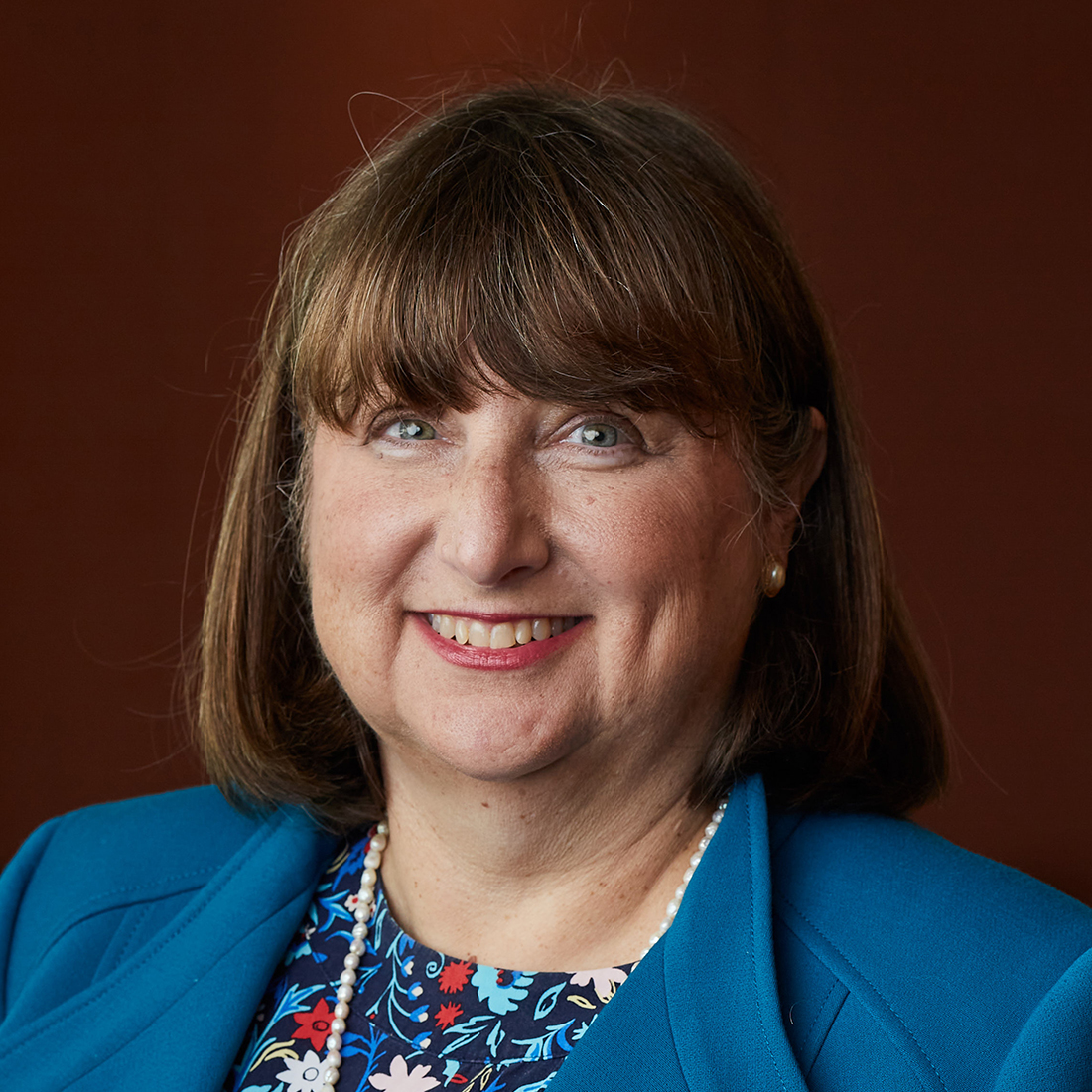
Julie Rovner is chief Washington correspondent and host of KFF Health News’ weekly health policy news podcast, “What the Health?” A noted expert on health policy issues, Julie is the author of the critically praised reference book “Health Care Politics and Policy A to Z,” now in its third edition.
Open enrollment for 2027 Affordable Care Act plans begins Nov. 1 in most states, with consumers facing higher out-of-pocket costs and more bureaucratic hurdles.
Meanwhile, Democrats in Congress are laying out plans for an aggressive health policy agenda should they win majorities in the House and/or the Senate. With President Donald Trump in office, however, it’s unclear whether any of their legislative efforts could become law in the next two years.
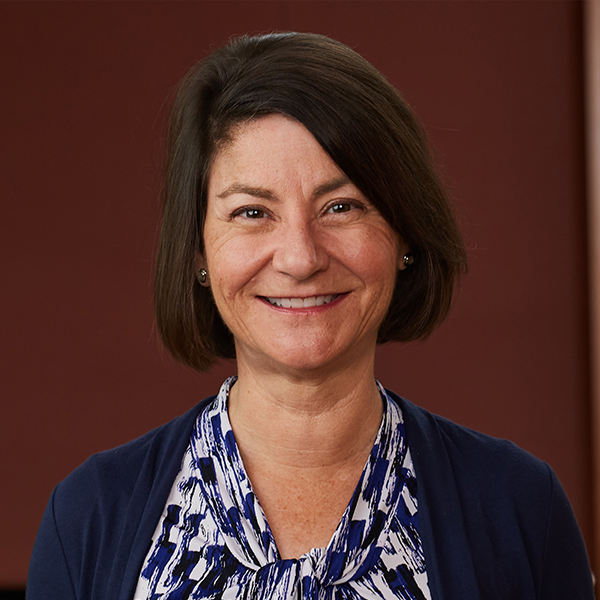
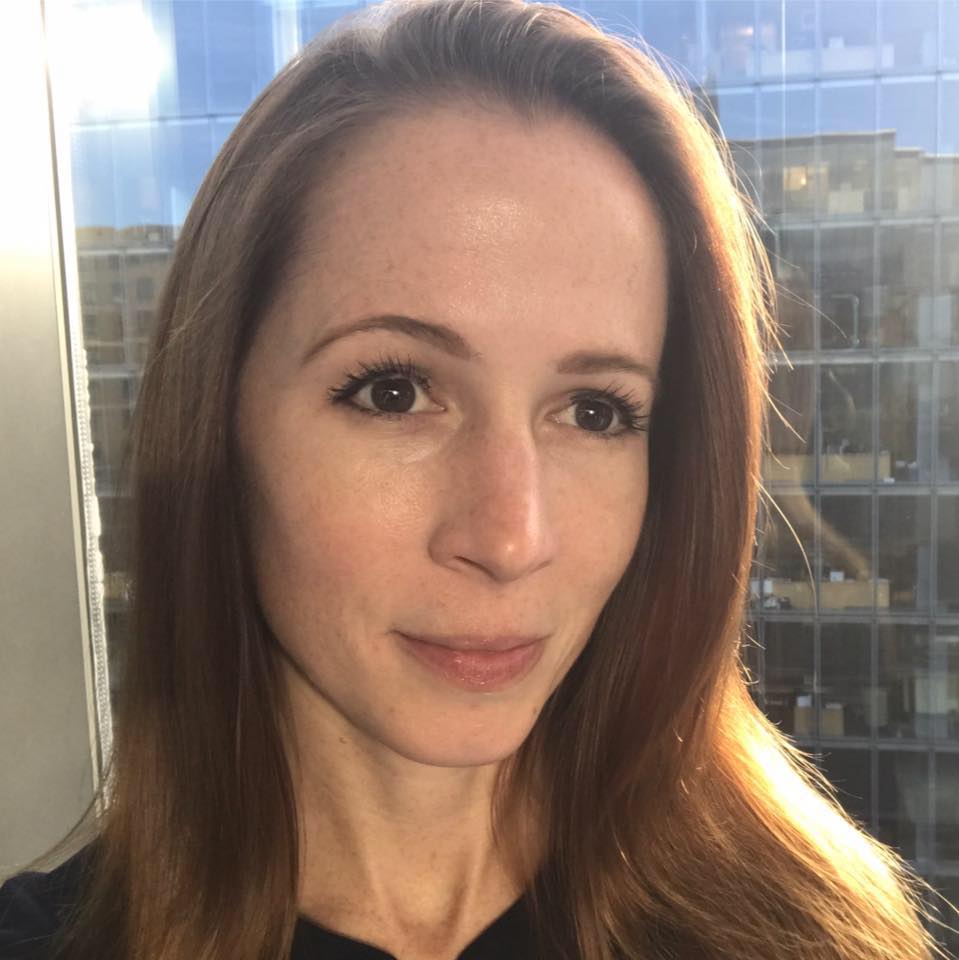
This week’s panelists are Julie Rovner of KFF Health News, Julie Appleby of KFF Health News, Anna Edney of Bloomberg News, and Victoria Knight of Bloomberg Government.
Panelists

Bloomberg Government
Among the takeaways from this week’s episode:
- The Trump administration’s crackdown on alleged fraud in Affordable Care Act plans, coupled with the expiration last year of expanded subsidies from the Biden era, has reduced enrollment by several million people. This year’s open enrollment will include new rules in many states making it more complicated for people to sign up or renew their plans.
- Among the health issues Democrats hope to focus on in the next congressional term is long-term care for older people and those with disabilities. The lack of a U.S. long-term care policy is a long-standing issue but will be hugely expensive to solve.
- Democrats also remain split over whether to support a “Medicare for All” program to provide universal health coverage funded by taxes or to pursue more piecemeal approaches to addressing gaps in costs and coverage.
- And Health and Human Services Secretary Robert F. Kennedy Jr. this week made it easier for consumers to purchase injectable peptide products, over the doubts of scientists at the Food and Drug Administration. Meanwhile, the deputy director of the Centers for Disease Control and Prevention is stepping down after only a few months, reportedly over disagreements about vaccine policy.
Also, Rovner announces the winners of the KFF Health News Halloween haiku contest.
Plus, for “extra credit” the panelists suggest health policy stories they read this week that they think you should read, too:
Julie Rovner: WBEZ Chicago’s “This Illinois Law Was Supposed To Help Families. It’s Failing Them Instead,” by Kristen Schorsch.
Anna Edney: KFF Health News’ “Hospital Beds for the Nation’s Sickest Kids Are Disappearing,” by Katheryn Houghton.
Victoria Knight: The New York Times’ “She Trusted ChatGPT With Her Medication Decisions. It Cost Her Everything,” by Teddy Rosenbluth.
Julie Appleby: The Washington Post’s “We Disagree About Politics. But We See the Same Problems in Health Care,” by Ezekiel J. Emanuel and Brian Blase.
Also mentioned in this week’s podcast:
- Punchbowl News’ “Wyden, Sanders Press Insurers on ACA Losses,” by Peter Sullivan.
- Axios’ “Long-Term Care Enters the Affordability Debate,” by Adriel Bettelheim.
- The Hill’s “How MAHA Fueled a New Wave of Doctors Running for Office,” by Joseph Choi.
- The Washington Post’s “The FDA Rarely Inspects Much of the Produce Americans Eat,” by Caitlin Gilbert and Rachel Roubein.
- CNN’s “Iowa’s Cancer Problem Is Scrambling the Midterms,” by Sarah Owermohle and David Wright.
- The Washington Post’s “CDC’s Deputy Director To Leave Trump Administration After Brief Stint,” by Dan Diamond and Lena H. Sun.
[Editor’s note: This transcript was generated using transcription software. It has been edited for style and clarity.]
Julie Rovner: Hello, from KFF Health News and WAMU Public Radio in Washington, D.C. Welcome to What the Health? I’m Julie Rovner, chief Washington correspondent for KFF Health News. And, as always, I’m joined by some of the best and smartest health reporters covering Washington. We’re taping this week on Thursday, Oct. 29, at 10 a.m. As always, news happens fast, and things might have changed by the time you hear this. So here we go. Today we are joined via video conference by Anna Edney of Bloomberg News.
Anna Edney: Hi, everybody.
Rovner: Victoria Knight, also at Bloomberg News.
Victoria Knight: Hi.
Rovner: And my KFF Health News colleague Julie Appleby.
Julie Appleby: Great to be here.
Rovner: No interview this week, but later in this episode we’ll have the winners of our KFF Health News Halloween haiku contest. But first, this week’s news. So I know everyone is focused on Election Day next Tuesday, but this Sunday is the start of open enrollment for 2027 for Affordable Care Act plans, at least in most states. Julie A., what can people with ACA plans expect for next year?
Appleby: Well, there are a number of changes, and a lot of the experts I’ve spoken to say two things. One, pack your patience because things might take a little longer this year, and bring your ID. OK, so why is that? There’s some new changes that have gone into effect that consumers using the federal marketplace, which is serving 29 states next year, need to, if they’re using an agent and a broker, which most of them do, they need to confirm that agent. So there has to be a one-time code sent to the consumer so they can say, “Yeah, this is my agent.” This is part of the effort where they’re trying to combat the improper enrollments and some switching and things like that. So you’ve got to confirm Yes, this is indeed my agent, and then the marketplace is going to ask you to confirm your own identity in many cases, and that’s going to be a little bit different. So they’re going to deem certain enrollees high-risk, and those people are going to be those who have maybe moved out of state, as well as consumers working with a new or a different agent, or people who have a monthly premium payment of $30 or less. And again, this ties back to this concern about fraud and improper enrollment. And one of the agents I spoke to said, Well, perhaps the reason they’re looking at people moving to another state or switching brokers, … that could be a broker trying to impersonate a consumer. And this under $30 thing is because a lot of the concern about improper enrollment involved either zero-premium plans or very-low-cost plans that people might not know they had. So they’re targeting those. So if you are in those categories, you’re going to have to verify your identity using Experian or some other sort of credit reporting type firm before you can enroll. So that’s one thing.
And another thing is there’s a moratorium been put on newly certified agents offering insurance. The Trump administration, again, under its program integrity work, have cut off these new agents, saying that there’s a concern that newer agents are more likely to engage in some of the improper enrollment. This, of course, is being fought tooth and nail by the agents’ professional organizations, and two of them have filed a lawsuit seeking a restraining order against the Trump administration. But until we know how that works out, there may be fewer agents. So if you work with an agent, everybody says you should get an appointment pretty quick.
Aside from that, yes, premiums are going up again. We saw that last year. We saw a number of people drop because of that. And, if you’ll remember, this year, this current year is the first one where enhanced subsidies have expired. So a lot of people were not only paying more in premiums, but the amount of subsidy they got was less generous, or in some cases didn’t exist at all. So we’re seeing that again for next year. So people might be a little surprised what they have to pay. It might have gone up. The experts tell me that you should always shop around, especially so this year, because there may be a cheaper plan than the one you’re in. There may be a plan with a lower deductible. The out-of-pocket maximums have gone up. It’s going to be allowed to have higher out-of-pocket maximums. So you need to be looking at that when you’re comparing plans. So there’s just a lot of things happening with the Affordable Care Act.
Rovner: And there’s less free help available too, right? Hasn’t this administration cut back on navigators?
Appleby: Yes, there were cutbacks, navigators, and that kind of thing. That’s why, again, brokers often help people enroll, and so you may have a little harder time getting in with a broker. Now, some of this is different in the states. Some states have maintained more outreach. Some states have more programs to help people sign up. The states are not going to be doing this high-risk identity profiling because they already have some fairly robust things in place to try to prevent the improper enrollments and the fraud. So things are going to be a little bit different depending on where you live. But premiums are going up. Keep an eye on those. The subsidies, if you get a subsidy, those are tied to the premiums going up. So your subsidy may go up a little bit to reflect some of the additional premium costs. So that’s a quick overview of kind of what’s going on with open enrollment this year. And there’s other things coming in the future we could talk about or not.
Rovner: Well, what do we know about how many people have either dropped or downgraded their coverage as a result of the expiration of those extra subsidies last year? That in itself plays a role in the higher premiums we’re seeing, right?
Appleby: Absolutely. So we got some data early in the year that seemed to show that nearly 3 million people had dropped compared to the year before. We haven’t gotten more recent data, but a lot of the consulting firms, like Wakely and some others, are predicting that there could be 4 [million] or 5 million more people that might drop coverage. So we’re right now at about 19 [million] or 20 million people, and those numbers were 2 [million] or 3 million higher before. And we’ve also seen the Trump administration removing people from ACA enrollment or their subsidies. We just had a big situation where 760,000 [enrollees] were canceled over concerns about whether those were fraudulent or improper enrollment. So when people drop out because they can’t afford it, or when people are removed, insurers worry that they’re going to be left with the sicker people — because you’re less likely to sign up if you think, Hey, I’m healthy, maybe I don’t need to pay this premium increase because I can’t, but I’m healthy. I’m just going to go without insurance. So they raise rates accordingly to reflect the fact that they have a smaller pool of people that they’re covering. So that is expected to continue for enrollment next year. We don’t know what the numbers are going to be, but people think that by the end of this year, it’s possible by the end of December, we may only have 17 million or so people in the Affordable Care Act. So we’ll see if that goes up for next year, goes down, stays about the same. We just don’t know yet.
Rovner: Victoria, how’s this playing on Capitol Hill? I assume that the Democrats who support the Affordable Care Act aren’t super happy about what’s going on with it.
Knight: Yeah. I mean, obviously Democrats do not have power in either chamber of Congress at the moment, but as they’re talking about anticipating potentially taking power, most likely in the House, potentially in the Senate — we’ll find out, you know, next week. But they are making plans already for next year what they would like to do. And Democrats have been saying their No. 1 priorities are reversing the Medicaid cuts that were part of the 2025 domestic tax bill. But Medicaid is No. 1, and then ACA is No. 2 in regards to health priorities. And so that would be coming back and returning to having the enhanced ACA tax credits, putting those back into place because they expired last year. Those are really their No. 1 and 2 priorities, and they’re talking about, I think, [House] Minority Leader [Hakeem] Jeffries, if he becomes speaker of the House, has already said in the first week he wants to put bills on the floor trying to do this. So he’s really talking about this a lot. The Senate hasn’t been as loud about it because I think they know that they may not, Dems may not, take the Senate. But they certainly would be on board, you know, if Chuck Schumer becomes majority leader again, he’s definitely on board with this kind of stuff as well.
Rovner: Well, speaking of the Senate and the ACA, this week Democratic Sens. Ron Wyden and Bernie Sanders — who, should the Democrats recapture the Senate majority, are in line to chair the Finance Committee and the Health, Education, Labor, and Pensions Committee, respectively — along with about a dozen of their Democratic colleagues sent letters to 10 top insurance companies that participate in the ACA market, accusing them of violating consumer protections by cooperating with the administration’s purging of the so-called phantom enrollees that Julie was talking about. You know, we’ve talked about how Republicans have started to go after Big Insurance, if you will. Are Democrats making sure they don’t get left out by going after Big Insurance too? And also, this puts the insurance industry in kind of a really uncomfortable position, kind of pinned between the administration and the Democrats, right?
Appleby: Yeah, I think this does put insurers in a difficult spot. They were sent a — we did some reporting on this — and they were sent a letter back in June from CMS [the Centers for Medicare & Medicaid Services] saying, Hey, here’s these folks that are, look like they’re enrolled in your plan. We’re not sure they are. They meet these four criteria of not having, you know, no claims. They have a zero-premium plan. Many cases they did not have a Social Security number, etc., etc. We want you to investigate. Are these real people? Do some outreach. They gave them 30 days to try to find these people. And at the end of the 30 days, the insurers were instructed to turn over the information to CMS of the ones they couldn’t reach, and then CMS reviewed them and said that they would terminate them. But now these senators want to know: Well, what role did the insurers play, and what do they know, and what do we know about how many people got caught up in this dragnet that actually were legitimate enrollees? And I had a story a couple of weeks ago where there have been some people reinstated. It’s a small number. We don’t know what the number is. These senators also don’t know, and they want to know. That’s among their questions is, you know, how many people got reinstated? What is the process? What happens to them if they file claims on this insurance plan that has lost subsidies and therefore been canceled? Are they going to be covered for those claims or what? So they have a lot of questions, and I think this is partly in response to the Republicans’ big focus on fraud and waste. And fraud and waste, it polls well for Republicans. It’s something that they’re really onto. They’re very front-focused on this, and they’re trying to save taxpayer money, that kind of thing. But the question is: How many legitimate enrollees are getting caught up in these efforts around the Affordable Care Act that really should not have been? So that’s, those are very interesting letters.
Rovner: I would say we do know, I mean, thanks in part to Julie’s reporting, we know that some brokers have been sort of signing up fake people, if you will, so they can get the commissions. But we also know from the first round of the Medicaid work requirements that sometimes people who are legitimately enrolled get caught up and canceled. So, you know, I guess it’s this question of how much of this is fraud and how much of this are, you know, young — some of them are young people who could get zero-premium plans and whose parents said, You should have health insurance. And so, you know, then everyone says, Well, they haven’t filed claims; they must be fake. Not necessarily. There’s a lot of healthy people that don’t file claims every year. Victoria, you wanted to add something?
Knight: Yeah, I just want to add something from the political side as well. I actually went up to Michigan a few weeks ago and did a story on a House race in Michigan in a swing district in the Lansing area. Its incumbent, Tom Barrett, is a Republican. It was Elissa Slotkin’s old seat. Tom Barrett won it after her. And then there is a former Dem socialist, very progressive Dem, that’s running against Barrett, Will Lawrence. Anyways, I wrote about how they both had a similar messaging line around health insurers and around anti-corporate messaging. And they’re both going kind of against these big corporations. Tom Barrett returned his health insurance donations from Blue Cross Blue Shield of Michigan, which was really interesting. And, you know, he kept his donations from other corporations, whereas Lawrence is not accepting any corporate PAC donations. And then I started looking at, you know, political ads, and there are a lot of Republicans this cycle that also had ads that were, like, We’re going against big insurers. And so it seems like this is somewhat of a shift for Republicans. And also, if we do end up with a divided Congress, potentially an area of bipartisan agreement of, you know, going after insurers and, you know, talking about oversight from Wyden and Sanders, but maybe some Republicans will be on board as well, you know, if it’s a divided Congress. So, or even not, you know, maybe they just get on board if it’s one way or the other. But I just thought that was a really interesting thing that I noted.
Rovner: Yep. No, I absolutely agree with you. All right. Well, meanwhile, should the Democrats take back the House and/or the Senate, we’re already getting some previews of other things they hope to focus on when it comes to health policy. Adriel Bettelheim at Axios has a really good story about the reemergence of long-term care as a top health issue. This is something I have been writing about since I started on the health beat in 1986. But the U.S. still has no comprehensive way to help people pay the ever-spiraling costs of care, either in their homes or in institutions, while more and more baby boomers find themselves in need of such care on a daily basis — something that’s impacting not only them but their Gen X and millennial children. Long-term care has long been kind of the third rail politically. The benefit is at once both hugely popular and almost incomprehensibly expensive. A very small home-care program was actually part of the Affordable Care Act when it passed in 2010, and almost immediately was abandoned as financially infeasible — that was by the Obama administration, said it was politically infeasible. At some point, are we going to have to address this? And is that point coming soon?
Edney: I think you made an excellent point about, you know, the aging population seems like it’s going to force this issue, but maybe we could have said that in previous times, and everyone’s just been left to fend for themselves, which is, you know, not a great situation. But I think the breakdown that Adriel had that you mentioned was so detailed and so good, and, you know, I think it does show that there are lawmakers thinking about this on the edges. And I’m sure that this is something you’ll also talk about, but, you know, we have people who want to take very big swings potentially coming into power if, you know, the Democrats take over, who do want to expand certain types of healthcare, or, you know, that this could fit into something — obviously that’s a huge swing. That’s, I’m not saying it’s extremely likely, and I appreciated at the end of his piece that Adriel said there was just basically skepticism all around that something could get done.
Rovner: Yeah, I mean everybody wants to do this, and nobody has any idea how to pay for it. I have seen this …
Edney: Yes.
Rovner: … I have seen this play out again and again and again, pretty much every five years or so. But Anna, I think you’re right. If the Democrats, I guess, if the Democrats take back one, the House or the Senate, or even if they don’t take back the House or the Senate, we’re looking at another big fight between the sort of “Medicare for All” wing and the “Let’s do things one step at a time” wing. Is there any chance that those guys, like, come together on something?
Edney: Well, I mean, they’re both going after insurance companies, so that’s the start of Medicare for All, right?
Rovner: That’s true.
Edney: So, so who knows? But, uh, not super promising at the moment, given the political landscape.
Knight: I will say, I have talked to Ways and Means ranking member Richard Neal, and I’ve asked him about priorities. He has said long-term care is top of his list, and then Finance ranking member Ron Wyden has put out papers, which Adriel referenced in his story, about solutions to this. I still feel like it’s in the idea space and not so much the reality space, but I do feel like we’re coming to a crux moment, and I think that we needed, like, lawmakers realized we need to do something about insurance. It’s not working for anyone, and is, like, a more radical change necessary? And I do think the more progressive wing of the Dem Party might not be content with just extending or restoring the enhanced ACA subsidies, and perhaps we will see more of a fight about a public option or Medicare for All or something like that. We’ll see.
Rovner: Well, meanwhile, the next Congress could look very different from most of the previous ones when it comes to representation of medical professionals. For most of this century, most of the doctors in Congress have been Republicans in the Senate. There are currently 4 MDs, all Republican. But now there are more than 20 doctors and nurses who are Democrats who are on the ballot for the House and Senate, including some big names like Abdul El-Sayed in Michigan and Annie Andrews in South Carolina. Even if they don’t all win, and I assume they won’t all win, what could it mean to have more Democratic health professionals in key positions in Congress, and what might it mean for the Make America Healthy Again movement, which has so far been mostly allied with Republicans?
Knight: Yeah, I’ve been following this for a while, this trend. We’ve seen more Democratic doctors running for Congress just over the past six years, maybe even longer. But I know covid was a big part of some of that movement and wanting to have a say in, you know, these political decisions around what’s happening with the pandemic. And then just, like, now the Make America Healthy Again movement has inspired a lot of them to run for office. I actually wrote a similar story to the Hill story that you’re referencing about the Dem doctors running this cycle, and there are a few Republicans as well. But I think in Congress, typically, these doctors, if they stay long enough, they get into leadership roles and in … on the health committees, and so they play a really powerful position in shaping healthcare policy. And a lot of the ones running this cycle are proponents of a public option or Medicare for All. And so I could see that changing the way Congress works. I will say, getting to the top of a committee, at least on the Dem side, can take a while sometimes because there are no term limits for chairmanships, unlike on the Republican side. But I definitely think it could change Congress and just in the most, in this most recent Congress, they got a Democratic Doctors Caucus for the very first time. They finally had enough doctors in the House. There’s six Democratic doctors in the House currently, and they had doubled their numbers. There were previously three, so they were able to make a caucus for the first time. And so I think if they add to those numbers, they could even have more political power as well. There’s a Republican Doctors Caucus that does try to weigh in on a lot of health issues, and so …
Rovner: And there’s been a Republican Doctors Caucus for decades now.
Knight: Yeah, I’m sure. I don’t even know how long. Yeah, I definitely think it’s changing. A few of those races are toss-up races, so we will see, like, Amish Shah in Arizona and Richard Pan in California. So we will see next week.
Rovner: Yeah, we will. Well, speaking of Make America Healthy Again, Calley Means has left the building. The former top adviser to HHS [Health and Human Services] Secretary RFK Jr., and his key ally, turned in his resignation last week, reportedly over frustration with lack of progress on some key priorities of MAHA, particularly on food or pesticides — most particularly, it seems, over the administration’s dragging its feet on its promise to come up with a definition of ultraprocessed food. What does it mean to the future of RFK Jr. as secretary and to the future of MAHA to have Calley Means out of the government?
Edney: Well, I think MAHA was already sort of waning in its influence, and Calley Means leaving was more a symptom of that, and not as much the cause. Maybe it means more for RFK Jr. and a potential presidential bid, because if that was something he decided to go after again it could work for him or against him. I think it’s really hard to tell because he can say, “I left because I want to get you your priorities, and we weren’t doing it.” Or people could still be upset with him and think he can’t get anything done, and will just side with Big Ag and Big Pharma. So there’s still a lot up in the air. I think what is really clear is MAHA was not going to get what they wanted, was probably never going to get what they wanted, and were used for votes.
Rovner: And to go back to what we were just talking about, Victoria, I mean, a lot of these Democratic doctors and nurses who are running seem eager to put public health back on the Democratic list rather than the Republican. You know, we’ve seen the Republicans who’ve drifted to MAHA.
Knight: Yeah, absolutely. Yeah, that’s why when you ask them why they ran, a lot of them are because they’re, like: We want to put science back into politics, basically. And to kind of add on to what Anna said from the political side, you’ve seen Tony Lyons, who is RFK’s book publisher, and he runs the MAHA PAC, so the political arm of the MAHA movement. He made this big pledge in the spring to fundraise $100 million to put MAHA-aligned candidates into office — and he said Republicans — so MAHA-aligned Republicans into office at the congressional and as well the state local levels. And I recently looked at the FEC [Federal Election Committee] data, and he has raised much less than that. According to my numbers, it was around $4 million, so much less than $100 million. Tony Lyons would not talk to me, so I don’t know if it’s a function of he’s not good at fundraising, or people don’t want to donate money, or I’m not sure exactly what that, or people are just not excited about this as they were. They don’t believe in it. I’m not sure what it’s a function of, but it does show that at least there’s not a lot of money to put behind the movement. So, again, we will see next week if these MAHA-aligned candidates also make it to Congress, or, you know, one of the big ones that people have been focusing on is the Iowa gubernatorial race. Zach Lahn is the Republican running, and he’s really aligned himself with the MAHA agenda. Calley Means was stumping for him. There’s been a lot of MAHA people.
Rovner: Kennedy’s been out stumping for him.
Knight: Kennedy has been stumping for him, exactly. So, and I think he was trailing at some point in the polls. I don’t follow states as much. So I think there will be some tests next week of, like, do these MAHA-aligned people make it to office even?
Edney: So yeah, I think it is a conversation that kind of always has been and led by the states and is continuing to be led by the states. I think what happened is it fizzled at the federal level, but you are seeing still state races that matter around this, and states that are doing things on both ends of the spectrum. I mean, West Virginia banning colors and food and artificial colors. So that, I think, was unexpected when it happened. So yeah, it could be something that keeps playing out in the states and tries to make its way to the federal level.
Rovner: And I will link to this cool story out of Iowa about how Iowa got Big Ag on the one hand, but you’ve got a huge cancer problem, a lot of issues that they’re being torn between sort of the MAHA and the corporate. It’s a wonderful sort of little microcosm of what’s going on around the country.
All right, we’re going to take a quick break. We’ll be right back.
Turning to other news at HHS: Secretary Kennedy on Wednesday apparently single-handedly made it easier for consumers to buy compounded peptides. That’s something he personally uses, but also something that scientists at the Food and Drug Administration have some serious doubts about when it comes to safety and efficacy. Anna, can you explain what happened and what it means?
Edney: Yes, these are peptides that are not approved by the Food and Drug Administration, but they are ones that people have been basically buying off the black market because they think it’s helping them with a whole host of things. And you know, this starts at longevity and goes towards, you know, pretty much anything you can think of. And these, you know, are usually injectable peptides and things that you would just maybe want some more oversight of.
Rovner: What even are they? I mean, they’re not really drugs. They’re kind of drug precursors. Is that an accurate way to describe them?
Edney: I think that that’s pretty fair. You might, you know, if it was a drug company looking at these, you might try to put other things around them to make them a drug that actually works. You would certainly test them. Basically, what these are now are supplements, because we don’t know that they work, and there’s really not going to be a system around them to say whether that happens or not. But what Secretary Kennedy did was kind of put out a plan that is going to bypass any Food and Drug Administration safeguards or guidelines for getting a review for getting drugs to market. And these compounding pharmacies make them. They’re not typically pharmacies that maybe you’ve heard of, but these telehealth companies you probably have heard of. And, you know, a lot of people have been buying their compounded GLP-1 weight loss medications from these companies. And so they’re not supposed to be selling them anymore because there’s no shortage of GLP-1s any longer, although there was. But now this opens it up for these other kinds of peptides to be sold, and it’s really unprecedented. And the FDA staff who were involved in these discussions did not want this to go forward because it basically undermines any of their entire remit, what they’re supposed to do, and why they’re here. They have protected Americans from drugs that are unsafe, and so that’s their job, is to make sure the things on the market aren’t going to harm us, and that we’re paying for things that are actually supposed to work. And so that will not be the case for these. And so the FDA staff who was involved did not want this to be under them, so it’s kind of squarely on Secretary Kennedy that now these peptides are — there’s six of them, that some popular ones that will be available, and the government is going to keep looking at other ones, have future meetings to see if there are more that they’ll open this up to as well.
Rovner: Yeah, this was a big wow that I think got kind of missed a lot because there was so much other news this week. Well, also on the FDA beat, our podcast pal Rachel Roubein at The Washington Post has a co-byline on a story about how little of the produce that’s imported into the U.S. has been inspected by the FDA, either in its country of origin or at the border, and how that’s been made even worse by last year’s DOGE [Department of Government Efficiency] cuts. Anna, you’ve reported on how the FDA hasn’t done much in the way of inspecting overseas suppliers of prescription drugs. This is kind of the parallel problem with food, right?
Edney: Absolutely. And, you know, you can imagine with food how much of a bigger job that is. There are just so many facilities supplying the United States — we want what we want when we want it in our grocery stores, and so …
Rovner: Raspberries year-round!
Edney: Yes, exactly. And so the job is an enormous one. And when DOGE came through, we were not supposed to be cutting any inspectors at the FDA — but you did see people leave, or jobs not get filled, and different things where, you know, it’s just an impossible task to get to that many, whether it’s drugs or food. It’s definitely been a problem with the agency, kind of a shortfall where the review sides, where they’re approving something, whether it’s a drug or a medical device, just have a lot more resources than the compliance side.
Rovner: Meanwhile, it’s not just the FDA; things are still not exactly hunky-dory down at the Centers for Disease Control and Prevention. Jennifer Shuford, the CDC’s deputy director and chief medical officer, is stepping down, quote, “to spend more time with her family” after just six months on the job. Shuford, the former health commissioner of Texas, had spoken out about the measles outbreak in her state and was considered, you know, a vaccine supporter. Apparently, disagreements over vaccine policy were a factor in her decision to leave. Does this kind of cement the idea that all vaccine policy is — like peptide policy, I guess — is being made at the secretary level and not at the agency level, where, you know, policy has been made for generations?
Edney: Well, I think certainly with the CDC, it’s been particularly tough to be a vaccine supporter and feel that you can speak out. So I don’t know the specifics of what might have gone on, other than what The Washington Post reported. But I do think that if someone has strong feelings about, you know, supporting vaccines, it may just be a place where it doesn’t feel like you can stay, given, you know, you don’t really have seemingly much say in what’s coming out.
Rovner: We’re still waiting for the new CDC director to make some kind of statement about vaccines — who’s been very quiet since she took office, what is now a couple of months ago. So yet another agency that seems to be more under the thumb, if you will, of the political types and in the department, than has been typical, shall we say?
OK, that is this week’s news. Before we get to our extra credits, I’m pleased to announce the winners of our annual Halloween health haiku contest. First place this year goes to DJ Zelle for this zinger:
Which is scarier?
Jack-o’-lanterns and ghouls, or
Measles and lettuce?
Second place goes to John Fedyna for this one:
Drac on a budget:
His fangs are ineffective,
Dental too costly.
And third place, and my personal favorite, is this one from Chris Savage:
Cold, no emotions.
It’s not a ghost, it’s AI!
Your claim is denied.
Thanks to everyone who entered, and you can see the special art that we have commissioned to go with these at kffhealthnews.org.
OK, now it’s time for our extra-credit segment. That’s where we each recognize a story we read this week we think you should read, too. Don’t worry if you miss it. We will post the links in our show notes on your phone or other mobile device. Victoria, why don’t you go first this week?
Knight: Sure thing. My extra credit this week is an article titled “She Trusted ChatGPT With Her Medication Decisions. It Cost Her Everything.” It was in The New York Times, written by Teddy Rosenbluth. This was a really sad story. I did not really realize that until I read it. So just know that going in. It’s unfortunately, I think, we’re seeing more of these types of stories of people relying on ChatGPT for both medical advice as well as just kind of an outlet for loneliness, it seems. And, you know, talking to them as if they were talking to a person, and relying on them as their only source of information sometimes. And so this was a woman named Bowen. She has epilepsy, and she was taking a medication to treat her epilepsy, and it was basically keeping her from having less seizures than she had had before. But she felt like it was kind of slowing down her brain and her speech a little bit, and it’s unclear to me if that was the case or not. But once she got laid off from — she was working at Amazon — once she got laid off from Amazon last year, she needed to interview for some more jobs, and so she started asking ChatGPT if she could basically lower her dosage herself to make her brain, like, work a little faster, in her opinion. And ChatGPT basically helped her lower her dosage, told her she didn’t need to talk to doctors about it. And at the end of the story, she dies. And it was from an epileptic seizure, it appeared. And her family is suing OpenAI. The lawsuit just came out this week, and they shared with the Times, you know, her chat logs with ChatGPT, and that was part of the lawsuit as well, I think. And so basically, they’re suing on the grounds of — they said ChatGPT practiced medicine without a license. So I thought that was kind of an interesting legal argument. I’m not, I don’t know if there have been other cases around that legal argument, maybe there have been, but it just, you know, just happened. So I guess we will see how it goes. So I think it’s just another in these developing stories around how artificial intelligence is being used in our healthcare decisions, and … I think now the question is: Will OpenAI and these artificial intelligence companies be held responsible for it, and now responsible for this woman’s death? And well, you know, will a court find them as acting as a doctor? You know.
Rovner: It certainly seemed to be offering medical advice.
Knight: It did certainly seem to be offering medical advice.
Rovner: It’s quite a story.
Knight: Yes.
Rovner: Anna.
Edney: So mine is from KFF Health News. It’s “Hospital Beds for the Nation’s Sickest Kids Are Disappearing.” And this was a smart and really heartbreaking look at the closures around the country that are happening of pediatric intensive care units. So these are caring for the sickest kids. We hear often about NICUs, for the neonatal intensive care units. And so these are for slightly older — but not older, really, I mean, just a little bit — kids who are extremely sick. And the interesting thing is that when this happens, as you’re trying to cut back, essentially, the hospitals are kind of looking at their balance sheets, and this is not one of the profitable areas. The fewer of them there are, the longer the most sick kids have to travel to get care — hopefully, after they’re stabilized. But still, it’s a really difficult situation. And one thing the article points out is this will probably get worse given the cuts in federal Medicaid spending that are coming and are going to really affect some of these areas and what the hospitals are looking at. So, you know, this kind of adds on to the idea, you know, I feel, like, when these decisions are made, often it is kids being impacted the most. We’ve seen a lot of, you know, maternity care also, and that involves children being cut because of all the Medicaid spending decisions that are coming up. And so I thought this was an important look at a part of healthcare that sometimes doesn’t get looked at.
Rovner: Yeah, it’s kind of ironic. I mean, kids are mostly healthy, so they’re not that expensive. But when kids are sick, they’re really expensive, which I think people sometimes forget. Julie.
Appleby: OK, I picked an opinion piece, actually, that says “We Disagree About Politics. But We See the Same Problems in Health Care.” This ran in The Washington Post, and it kind of circles back to what we were talking about here earlier in terms of, you know, going forward, are there areas of bipartisan agreement? So this may or may not reflect some of that, but it’s Zeke [Ezekiel J.] Emanuel — who’s a physician and the vice provost for global initiatives at the University of Pennsylvania, who’s more on the liberal end of things, worked as a senior White House health policy adviser — and Brian Blase, who is the president of the Paragon Health Institute, which is a more conservative group, and he worked in a separate administration. And he and Zeke don’t agree on much, but they came together to write this piece saying, “Here’s some of the things we agree on.” And not surprisingly, they are concerned about rising hospital costs and other things that are driving spending. So a lot of their proposals go around that. So they’d like to see something —it’s very, this is very wonky — something called site-neutral payments. And what that basically means is if you’re going in for, like, an imaging test, an X-ray test, you should be charged the same amount. Your insurer should be charged the same amount, whether it’s in a clinic 4 miles from the hospital or whether it’s in the hospital itself. It should be the same price, not just because the hospital owns the imaging clinic, they shouldn’t be allowed to charge hospital-based prices, what they’re saying. So they would like to see some reform around that, so that’s one of the things they would like to see. A couple of other things that may not happen: There’s states that have certificate-of-need laws, which is, basically, when you have to get approval to build a new hospital, and they say that that’s anti-competitive. They’d like to see more antitrust investigations. They’re blaming mergers for rising costs. They also would like to see higher-income seniors pay more for Medicare. They already do pay more based on their income, but they would like to see that go up even more. I’m not sure that’s a political starter or not, but that’s one of their proposals. So I just found it interesting that these two came together, have some agreements. There was a lot of pushback in the comments. I would suggest anybody who reads it, it’s also interesting to read some of the comments from the readers. So I just found it an interesting opinion piece at a time when we’re all wondering, you know, what’s going to happen with the new Congress.
Rovner: Yes, of all the things that I did not have on my bingo card this year, Brian Blase and Zeke Emanuel coming together on an op-ed was definitely not on my bingo card. All right, my extra credit this week is from WBEZ, the Chicago public radio station. It’s by Kristen Schorsch, and it’s called “This Illinois Law Was Supposed To Help Families. It’s Failing Them Instead.” It’s about a genuine effort to address the maternal health crisis by requiring insurers to cover care by doulas who help support pregnant women and their newborns in the first weeks after birth. Research has shown that doula care improves the health of both the mom and the baby — except implementation of Illinois’ new law has been anything but smooth, as insurers have denied claims or included way too few doulas in their networks. And because the state can’t even regulate most employer-provided health insurance plans, because they’re regulated by the federal government and under ERISA, the Employee Retirement Income Security Act. In addition to being a really good, well-reported, and frankly infuriating story, it’s also another example of why just so many Americans are so fed up with our severely dysfunctional healthcare system. You really should read it.
OK, that is this week’s show. Thanks to our editor this week, Mary-Ellen Deily, and our producer-engineer, Francis Ying. A reminder: What the Health? is now available on WAMU platforms, the NPR app, and wherever you get your podcasts — as well as, of course, kffhealthnews.org. Also, as always, you can email us your comments or questions. We’re at [email protected]. Or you can find me still on X @jrovner, or on Bluesky @julierovner. Where are you guys hanging on the socials these days, as the kids call it? Julie Appleby?
Appleby: I’m still on X, @Julie_appleby.
Rovner: Victoria.
Knight: I’m still on X as well, @victoriaregisk.
Rovner: Anna.
Edney: X or Bluesky @annaedney, but I probably talk most on LinkedIn.
Rovner: We’ll be back in your feed next week. Until then, be healthy.
Credits
Audio producer
Editor
Click here to find all our podcasts.
And subscribe to “What the Health? From KFF Health News” on Apple Podcasts, Spotify, the NPR app, YouTube, Pocket Casts, or wherever you listen to podcasts.
KFF Health News is a national newsroom that produces in-depth journalism about health issues and is one of the core operating programs at KFF—an independent source of health policy research, polling, and journalism. Learn more about KFF.
This article first appeared on KFF Health News and is republished here under a Creative Commons Attribution-NonCommercial-NoDerivatives 4.0 International License.