

Medicare Part D – Prescription Drug Plans
Medicare Part D helps you manage the cost of prescription medications by offering insurance for outpatient drugs. These plans are available through private insurance companies approved by Medicare, and they can be added to Original Medicare or some Medicare Advantage plans that do not already include drug coverage.How Does Medicare Part D Work?
Each Medicare Part D plan has a formulary, which is a list of covered medications. These drugs are organized into different “tiers,” with lower-tier drugs typically having lower copayments. Your out-of-pocket costs will depend on the tier of your prescribed medication.The Coverage Gap (Donut Hole)
Medicare Part D has historically included a coverage gap, known as the “donut hole,” where beneficiaries temporarily pay a larger share of their drug costs. However, recent changes have helped close this gap, significantly reducing the out-of-pocket expenses for most people.Costs and Enrollment
Premiums for Part D plans vary depending on the provider and the level of coverage offered. Additionally, beneficiaries may face a deductible, copayments, or coinsurance based on the medication tier. If you do not enroll in Part D when first eligible and do not have other creditable drug coverage, you could face a late enrollment penalty that increases the longer you delay.Recent Changes to Medicare Part D
Starting in 2025, Medicare will introduce a $2,000 annual out-of-pocket cap on prescription drug costs, providing significant relief to those with high medication expenses. Additionally, beneficiaries will have the option to spread their drug costs over monthly payments, improving affordability. Explore Medicare Part D Plans and find the one that best fits your needs. Need assistance? Contact Dawn Watson to enroll and ensure you have the right coverage.Quick Links: Part D Covers – Part D Costs – Part D Enrollment – Part D Eligibility
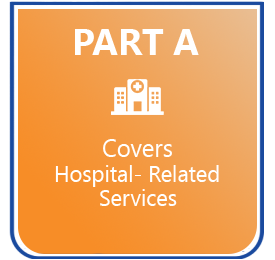
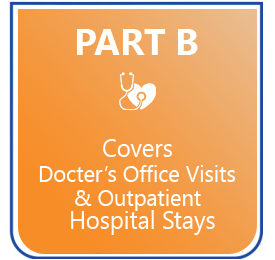
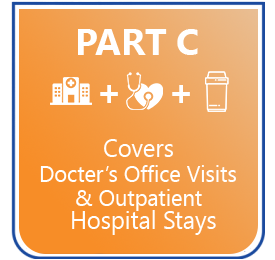
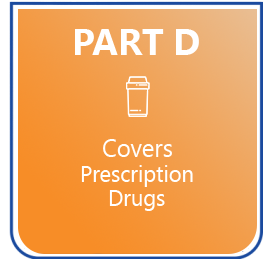
Medicare Part D covers prescription drugs. A stand-alone Medicare prescription drug plan is required to get Medicare Part D coverage. It is also known as the Medicare Advantage prescription drug plan. Medicare-approved private insurance companies offer these plans.
Medicare Part D covers:
Each plan prescription drug coverage presented under Medicare part D offers a standard level of coverage set by Medicare. Each plan coverage varies according to the list of prescription drugs they cover and how they place drugs into different tiers on their formularies. Following there plans are covered in Medicare part D.
Covered prescription drugs list
Most Medicare Prescription Drug Plans or Medicare Advantage Plans with prescription drug coverage have their list specifying what drugs are covered. These plan lists also include the brand name and what a drug contains and helps people understand their requirements according to their different medical conditions.
Expand Generic drugs
According to the Food and Drug Administration (FDA), the list of the generic drugs contains the drugs that are copies of brand-name drugs such as:
- Route of administration
- Quality
- Dosage form
- Safety
- Strength
- Performance characteristics
- Intended use
Made of the same ingredients as brand-name prescription drugs, pharmaceutical manufacturers need to get FDA certification before providing them commercially.
Expanded Tiers
In Medicare Part D, few low-cost plans are also available and offer prescription drug coverage into different tiers. Each program has divided into levels. A drug present in the lower tier is less costly than the drug in the upper tier.
Examples provided below:
- Tier 1 – Lowest co-payment and with the most generic prescription drugs
- Tier 2 – Medium co-payment includes preferred brand-name prescription drugs
- Tier 3 – Higher co-payment includes non-preferred brand-name prescription drugs
- Specialty tier – Highest co-payment includes the high-cost prescription drugs
If your prescriber gives you a drug in the higher tier with the high cost and at the same time, a similar drug is also present in the lower tier at a low price. You have the option to file an exception and ask your plan for a lower co-payment.
Medicare Part D Costs
Your Medicare Part D cost will vary from plan to plan based on the specific program you choose and the prescriptions you take. And you can make payment for your Medicare plan D in the following ways:
- Co-payments
- Coinsurance
- Premium
- Yearly deductible
- Costs for late enrollment penalty
Your drug plan cost will also vary depending on:
- The drugs you use
- The plan you choose
- Whether you go to a pharmacy
- Whether the drugs are in your plan
As you might already know, you can get Medicare prescription drug coverage in different ways.
- A stand-alone Medicare Part D prescription drug plan – works alongside your Medicare Part A and or Part B benefits
- A Medicare Advantage prescription drug plan – delivers your Medicare Part A, Part B, and Part D benefits all in one program.
Medicare Part D Enrollment
You can get yourself enroll in Medicare plan D offered by private companies in two ways:
- Medicare Part D
The prescription drug plans augment your traditional Medicare coverage plans and specific Medicare cost plans, Medicare savings account plans, and Medicare private fee-for-service plans.
- Medicare Advantage Prescription Drug plan
Medicare D plan includes prescription drug coverage along with Medicare Part A and Part B coverage.
You can only enroll in either of the plans mentioned above to have a Medicare Advantage plan that includes drug coverage and gets enrolled in a Medicare drug plan. In that case, you will automatically get disenrolled from the Medicare advantage plan and reverted to traditional Medicare. You can also choose not to enroll in Medicare Part D prescription when you already have creditable prescription drug coverage as it can be from your employer group plan.
Any person enrolled in the traditional Medicare plan Part A, Part B, and Part C is eligible to enroll in Medicare Part D Prescription Drug Plan. You need to have:
- Enrollment in Medicare Part A and or Part B.
- Residing in the service area of the company that is providing prescribed drug coverage.
Medicare Part D Eligibility
An individual who is eligible for a traditional Medicare plan, Part A and Part B will also sign for Medicare Part D prescription drug plan. You must need to enroll in both Part A and part be to be part of a Medicare Advantage prescription drug plan. In either case, you need to reside within the plan’s service area.